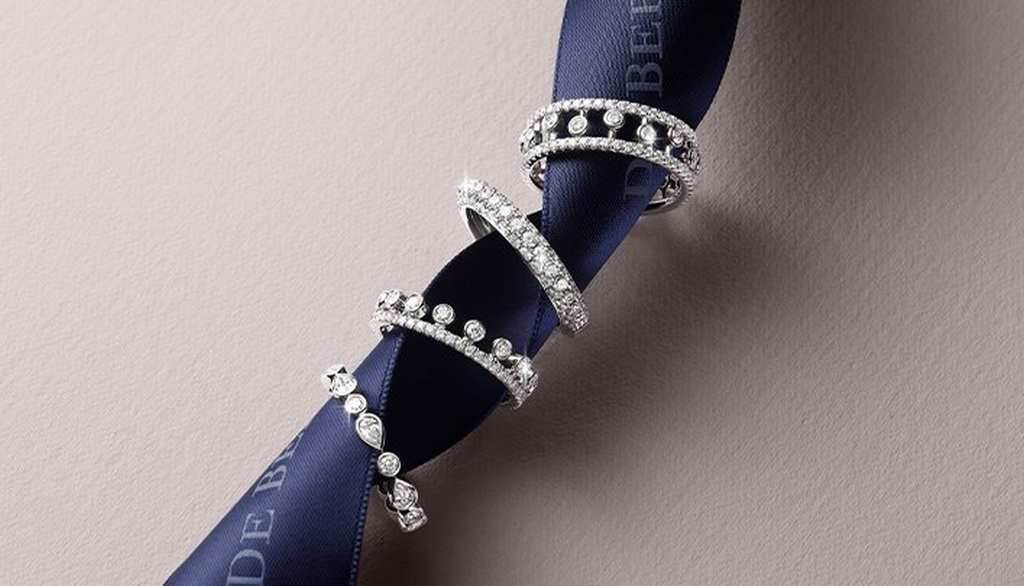

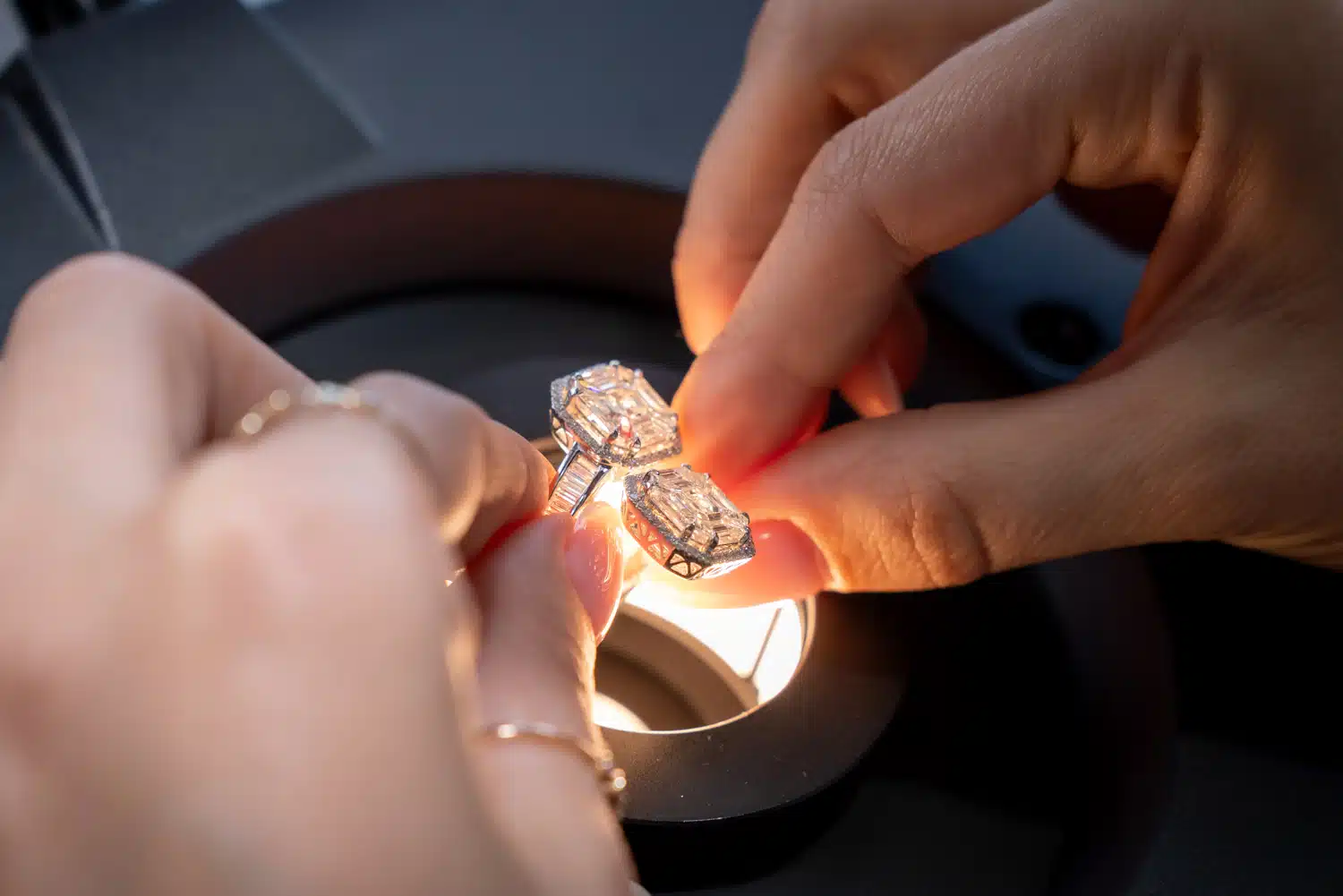
Deep underground, diamonds form over ages – rare stones tied to devotion, promises, wealth. Pulling them out takes effort, leaves marks on nature, uses heavy tools and years of work. Now something different steps forward: jewels made in labs, called artificial or manufactured gems, changing how rings and necklaces come to be.
Starting with a shiny gem for your ring or gift? toi et moi ring bring charm, smart pricing, cost efficiency, plus earth-friendly perks. Peek into what lies behind these gems – the way they form inside machines, why folks pick them, along with down-to-earth pointers when making a choice.
Table of Contents
Lab Grown Diamonds Explained?
A single spark from science – diamonds born under electric light instead of earth’s pressure. Though built by machines, their atoms line up just like stones pulled from deep rock. Light bends through them in the exact way it does through mined gems. What sets them apart is origin, nothing more.
From deep within Earth or built in a lab, each diamond is made of carbon locked into a tight crystal pattern. Though their origins differ, man-made stones shine, resist scratches, and last just as long as those pulled from rock. Their inner arrangement is one and the same – so eyes cannot tell them apart.
Few realize that experts regularly depend on special tools just to tell real diamonds apart from those made in labs.
Man Made Diamonds How They Are Formed
Few ways exist to make diamonds in labs, yet only two stand out. One approach squeezes carbon tight under immense heat, mimicking Earth’s deep forces. Another method uses a gas-filled chamber where atoms slowly stack into diamond form. Each path skips mining but reaches the same clear result
1. High Pressure High Temperature
Deep underground, diamonds grow naturally – that process gets copied by the HPHT technique. Inside a sealed space, a small piece of diamond sits waiting. High heat presses down at the same time massive force squeezes in. Atoms of carbon stick onto the original fragment bit by bit. Over time, layer after layer builds up into a full gem structure.
A handful of weeks is all it takes for this method to grow diamonds.
2. Chemical Vapor Deposition CVD
Inside a special chamber, a tiny diamond starter gets surrounded by gas heavy in carbon. Heated up, the gas splits into pieces – carbon bits then stick to the starter piece by piece. Layer after layer builds on what was small, forming something solid over time.
Folks tend to pick CVD diamonds when crafting top-tier pieces for elegant wear. Though grown in labs, they shine just like mined ones – clarity and brilliance matter most here.
Laboratory Created Diamonds Offer Ethical And Environmental Advantages
One big reason people choose lab diamonds? They’re made without digging into the earth. These stones show up with fewer environmental scars compared to mined ones. A shopper might find them easier on the budget, too. Their sparkle often matches what comes from deep underground. Some buyers feel better knowing origins are traceable. Technology plays a quiet role behind their creation. What matters most can differ person to person. Still, interest keeps rising for clear, human-made gems.
1. Less Expensive Than Natural Diamonds
A single carat from a lab often comes with a lighter price tag. Typically, it’s about one third to nearly half cheaper when compared to its earth-mined counterpart sharing identical traits.
This gap in cost gives shoppers a way to pick what works. One option might save money. Another could mean better quality. Either path opens different results. Each person decides based on their own needs
- A larger carat size
- Higher clarity
- Better color grade
- More intricate jewelry designs
A pair looking for an engagement ring might walk away with a much bigger stone if they go with lab made instead.
2. Environmentally Friendly
Starting with the ground, digging for diamonds often tears up large areas of earth. Water gets pulled from rivers or underground at high rates during extraction. Energy demands climb because heavy machines run constantly through operations. Land once mined rarely returns to its earlier state quickly.
Mining big holes in the ground takes a heavy toll on nature – lab stones usually skip that mess. Instead of digging deep, they form in controlled spaces with lighter footprints. Heavy machinery roars elsewhere while these sparklers grow quietly indoors. Earth moves less when factories handle what mines used to do. Fewer trucks roll, fewer forests clear, just careful science humming behind glass walls.
Solar panels power plenty of today’s labs, helping shrink their environmental footprint. Still, wind turbines sometimes contribute too, adding another layer of clean operation.
3. Ethically Sourced
Man-made stones sidestep troubled origins, which matters to many shoppers. Conflict regions once linked to natural gems push interest toward lab versions
Starting with a lab-made stone means no worries about murky origins since these gems grow under steady conditions. Their journey from creation to buyer stays open and clear.
This sense of ease matters deeply to those who care about social impact. It becomes more than just comfort – it reflects their values in action.
4. Same beauty same durability
A lot of people think lab made diamonds aren’t as good as mined ones. Actually, they’re just as real in every way.
What makes lab created diamonds tough? A perfect 10 on the Mohs scale – same as mined ones. That score means they shrug off scrapes during daily use. Wearing one every day won’t wear it down.
Fire leaps through them just like it does in diamonds, lighting up every angle. Brightness here matches the kind found in the finest stones, sharp and clear. Sparkle jumps out whenever light shifts, alive with movement. What people chase in gems shows plainly here, no different than before.
Four Cs of lab grown diamond buying
Fresh off the cutting board, lab created stones get graded by the very same 4 Cs as their earth mined cousins
1. Cut
Funny thing, it’s really about angles – how they bounce light back to your eye. Brightness jumps out when the shaping hits just right.
Common cuts include:
- Round
- Princess
- Oval
- Cushion
- Emerald
- Pear
What stands out most? The round brilliant cut takes the lead, loved widely because it catches light so well.
2. Color
Diamond color is graded from D (colorless) to Z (light yellow or brown).
Folks usually go for stones rated between D and H since they look almost without color when seen by eye. Though subtle, the tint becomes harder to spot once you hit those grades.
Made in labs, these diamonds usually land better color scores because their forming process stays tightly managed.
3. Clarity
Faults inside or on the surface of a stone – tiny marks or flaws – shape how clear it looks. These spots, trapped during formation, affect transparency in subtle ways.
Common clarity grades include:
- Flawless (FL)
- Internally Flawless (IF)
- Very Very Slightly Included (VVS)
- Very Slightly Included (VS)
- Slightly Included (SI)
Few tiny bits hide completely unless you look closer through a lens.
4. Carat Weight
A single carat measures how heavy a diamond is. Because big stones show up less often in nature, their price goes higher.
With lower prices on lab created stones, shoppers might fit a bigger stone into what they planned to spend.
Certification for Lab Grown Diamonds
A smart move? Check for a certificate when you’re looking at lab made diamonds. Trusted labs give that stamp of approval – keeps things clear. Without it, hard to know what you are really getting. A report from a known lab adds proof behind the stone. Always look for that paper trail before deciding.
Famous groups that give certifications are:
- IGI (International Gemological Institute)
- GIA (Gemological Institute of America)
- GCAL (Gem Certification and Assurance Lab)
Every one of these papers proves the diamond is real while sharing full details on cut, clarity, carat, color. A trustworthy record follows each stone, breaking down what makes it unique through those four traits.
Common Applications of Lab Created Diamonds
From rings to earrings, lab created stones appear across many accessories. Sometimes you will find them set into necklaces, other times nestled in bracelets. These gems show up in designs both bold and subtle. Whether it is a pendant or a band, they fit naturally. Their presence grows more common with each season passing
Engagement Rings
Lab created stones are catching on among pairs tying the knot – bigger sparkle without emptying pockets. Cost less, look just as bright, often chosen when shopping for rings these days.
Wedding Bands
Lab diamonds create elegant and durable wedding bands.
Earrings
Sparkle that lasts forever comes from stud earrings made with lab diamonds.
Necklaces and Pendants
A sparkling stone on a chain often marks special moments like milestones or big occasions. People choose these pieces when honoring time together or life events worth remembering.